
Common Mistakes When Using a Nebulizer at Home — And How to Avoid Them
author: Shelly
2026-04-07
Home nebulizers have become an essential tool for managing respiratory conditions such as asthma, allergies, and other breathing difficulties. They offer convenience, comfort, and timely relief — especially for children and elderly family members.
However, improper use can reduce treatment effectiveness or even lead to hygiene issues. Here are some of the most common mistakes people make when using a nebulizer at home — and how to avoid them.
1. Inadequate Cleaning After Each Use
One of the most frequent mistakes is not cleaning the nebulizer components thoroughly.
Medication residue and moisture can create an environment where bacteria may grow. Over time, this can affect both hygiene and device performance.
What to do instead:
After each use, rinse the medication cup and mask (or mouthpiece) with warm water. Allow all parts to air-dry completely before reassembling. Follow the manufacturer’s instructions for regular deep cleaning and disinfection.
One of the most frequent mistakes is not cleaning the nebulizer components thoroughly.
Medication residue and moisture can create an environment where bacteria may grow. Over time, this can affect both hygiene and device performance.
What to do instead:
After each use, rinse the medication cup and mask (or mouthpiece) with warm water. Allow all parts to air-dry completely before reassembling. Follow the manufacturer’s instructions for regular deep cleaning and disinfection.

2. Incorrect Medication Dosage or Mixing
Using the wrong dosage or mixing medications without medical advice can compromise treatment results.
What to do instead:
Always follow your healthcare provider’s instructions carefully. Use only the prescribed medication and dosage. When in doubt, consult a medical professional before adjusting anything.
Using the wrong dosage or mixing medications without medical advice can compromise treatment results.
What to do instead:
Always follow your healthcare provider’s instructions carefully. Use only the prescribed medication and dosage. When in doubt, consult a medical professional before adjusting anything.
3. Poor Mask Fit or Incorrect Breathing Technique
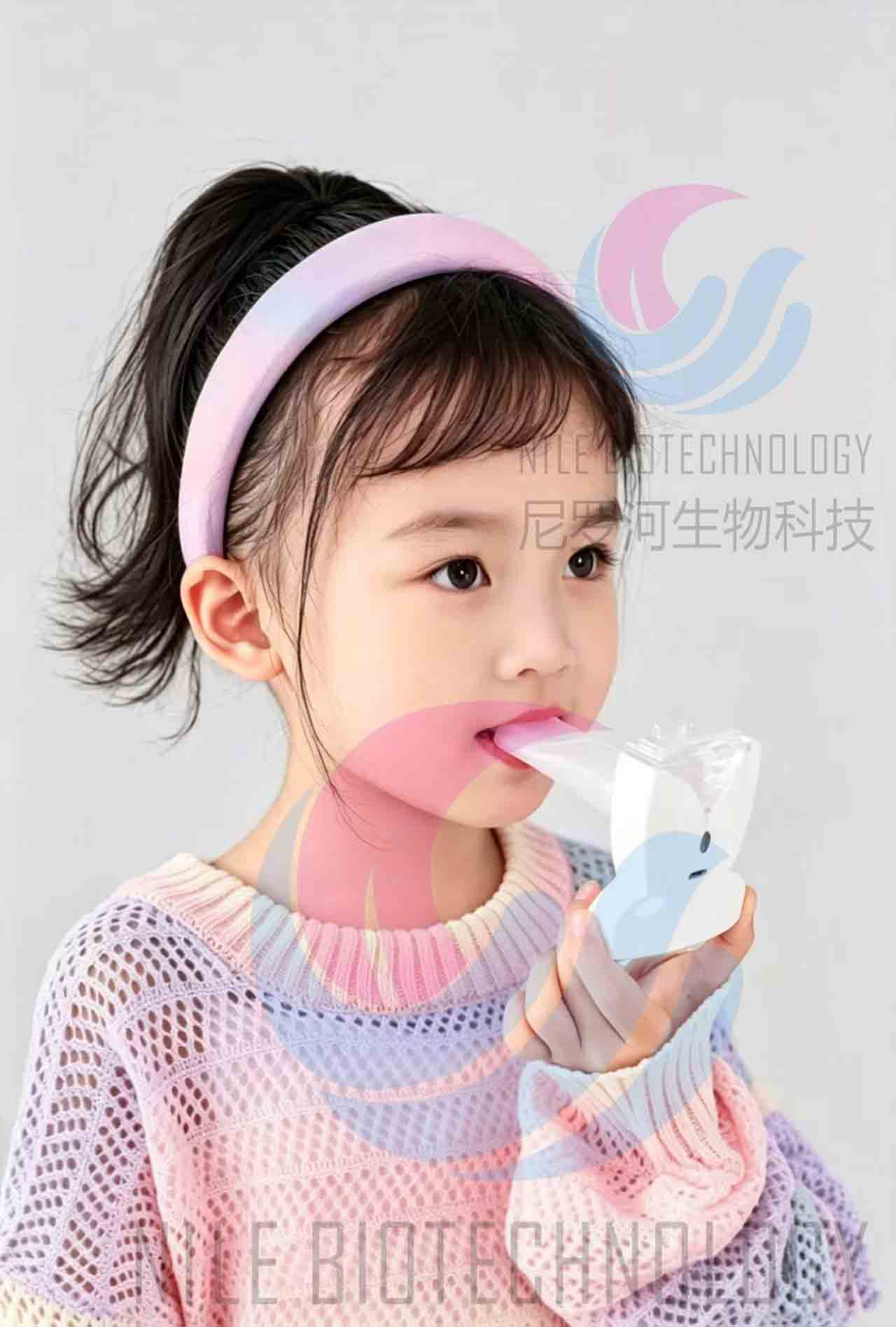
If the mask does not fit properly — especially for children — much of the mist may escape, reducing the effectiveness of the treatment.
Similarly, shallow or irregular breathing can limit how much medication reaches the lungs.
What to do instead:
Ensure the mask fits snugly but comfortably. Encourage slow, steady breathing during the session. For children, staying calm and relaxed improves inhalation efficiency.
If the mask does not fit properly — especially for children — much of the mist may escape, reducing the effectiveness of the treatment.
Similarly, shallow or irregular breathing can limit how much medication reaches the lungs.
What to do instead:
Ensure the mask fits snugly but comfortably. Encourage slow, steady breathing during the session. For children, staying calm and relaxed improves inhalation efficiency.
4. Skipping Regular Maintenance
Over time, mesh plates or compressor systems may accumulate residue or experience wear and tear.
Neglecting maintenance can lead to reduced mist output or inconsistent performance.
What to do instead:
Check your device regularly for signs of reduced mist, unusual noise, or damage. Replace parts such as masks or medication cups as recommended by the manufacturer.
Over time, mesh plates or compressor systems may accumulate residue or experience wear and tear.
Neglecting maintenance can lead to reduced mist output or inconsistent performance.
What to do instead:
Check your device regularly for signs of reduced mist, unusual noise, or damage. Replace parts such as masks or medication cups as recommended by the manufacturer.
5. Stopping Treatment Too Early
Some users stop the session once symptoms improve slightly, leaving medication unfinished in the cup.
What to do instead:
Complete the full session as instructed. A typical treatment should continue until the mist becomes minimal or stops completely.
Some users stop the session once symptoms improve slightly, leaving medication unfinished in the cup.
What to do instead:
Complete the full session as instructed. A typical treatment should continue until the mist becomes minimal or stops completely.
Final Thoughts
A nebulizer is a valuable tool for home respiratory care — but its effectiveness depends on proper use and maintenance.
By avoiding these common mistakes, you can ensure safer, more efficient treatments for yourself and your family.
Consistency, hygiene, and correct technique make all the difference.
A nebulizer is a valuable tool for home respiratory care — but its effectiveness depends on proper use and maintenance.
By avoiding these common mistakes, you can ensure safer, more efficient treatments for yourself and your family.
Consistency, hygiene, and correct technique make all the difference.
What’s Missing in Your Emergency Kit? A Guide to Portable Nebulizers
Your Pocket-Sized Health Hero: Breathing Made Easy Anywhere