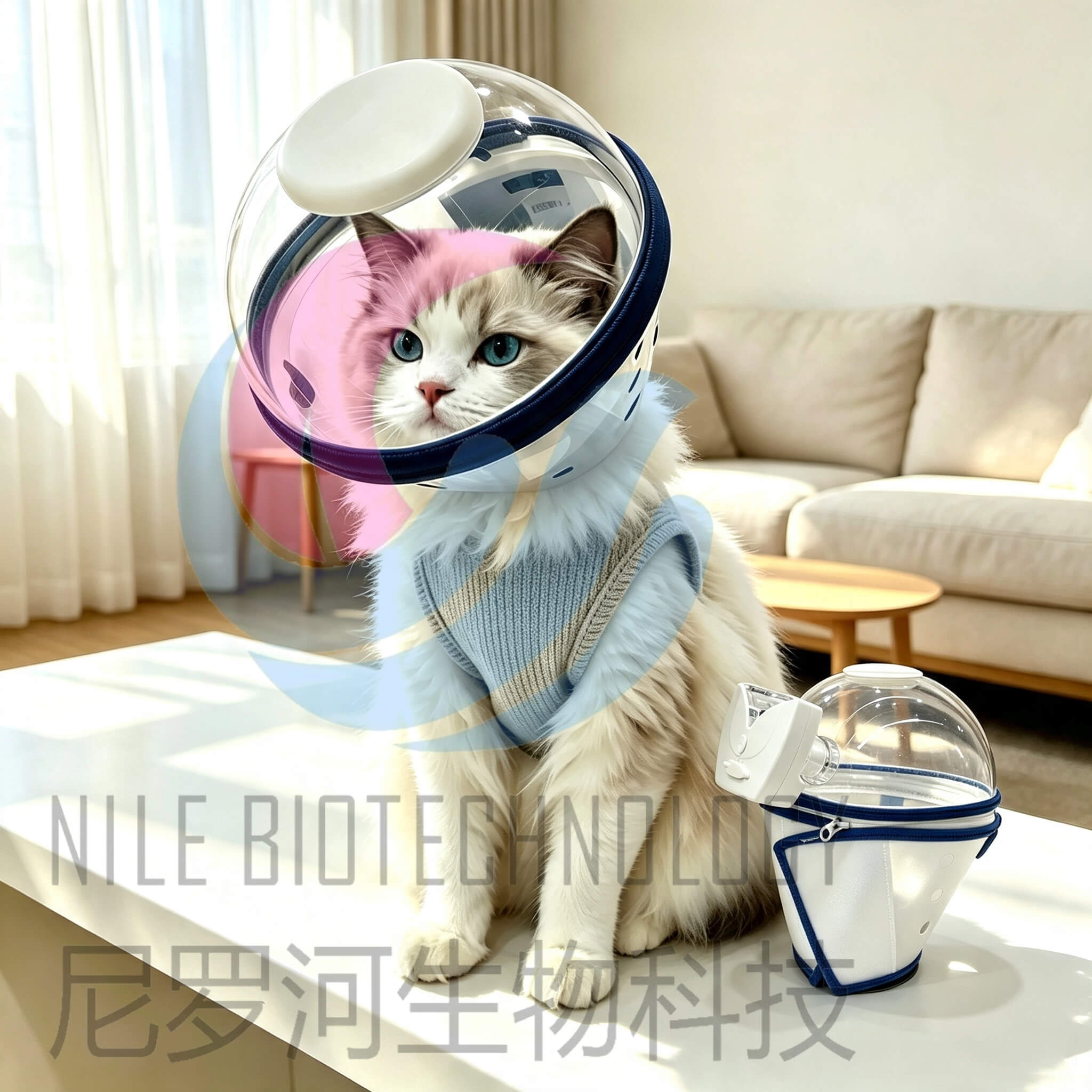

Feline Asthma in Cats: Symptoms, Treatment, and Long-Term Respiratory Care
author: Tommy
2026-05-20

Feline asthma is a chronic inflammatory airway disease that can cause breathing difficulties, coughing, and wheezing. Although cats of any age may develop asthma, it is more commonly seen in middle-aged and senior cats. Without proper treatment, asthma can greatly reduce a cat’s quality of life and, in severe cases, become life-threatening.
Providing support for cats living with chronic conditions such as asthma is essential. By understanding the symptoms, causes, and treatment options, cat owners can better manage the condition and help their cats stay comfortable and healthy.
What Is Feline Asthma?
Feline asthma is similar to asthma in humans and is considered an allergic reaction that causes inflammation in the airways. When a cat inhales an irritant, the immune system overreacts, leading to:
* Airway constriction (narrowing of the bronchi)
* Inflammation and mucus buildup
* Difficulty breathing and coughing
* Inflammation and mucus buildup
* Difficulty breathing and coughing
Over time, repeated asthma attacks can cause permanent lung damage, making early diagnosis and treatment extremely important.
Signs and Symptoms of Feline Asthma
Asthma symptoms can range from mild to severe. Some cats experience occasional flare-ups, while others may suffer from persistent respiratory distress.

Common symptoms of feline asthma include:
* Coughing or dry hacking cough (often mistaken for hairballs)
* Wheezing or noisy breathing
* Rapid or labored breathing (more than 40 breaths per minute at rest)
* Open-mouth breathing or panting
* Lethargy or reduced activity
* Cyanosis (blue gums or tongue caused by lack of oxygen)
* Coughing or dry hacking cough (often mistaken for hairballs)
* Wheezing or noisy breathing
* Rapid or labored breathing (more than 40 breaths per minute at rest)
* Open-mouth breathing or panting
* Lethargy or reduced activity
* Cyanosis (blue gums or tongue caused by lack of oxygen)
What Causes Feline Asthma?
Feline asthma is typically triggered by environmental allergens and irritants. Common triggers include:
* Dust and pollen
* Cigarette smoke
* Household cleaning products and aerosol sprays
* Scented cat litter
* Mold
* Cold air or seasonal weather changes
* Cigarette smoke
* Household cleaning products and aerosol sprays
* Scented cat litter
* Mold
* Cold air or seasonal weather changes
Stress may also contribute to asthma flare-ups in some cats, so maintaining a calm and stable environment is an important part of asthma management.
Diagnosing Feline Asthma
Because asthma symptoms can resemble other respiratory conditions, a thorough veterinary evaluation is necessary for an accurate diagnosis.

Diagnostic tests may include:
1. **Physical examination** — Listening to the lungs and evaluating breathing patterns
2. **Chest X-rays** — Identifying airway inflammation or changes in the lungs
3. **Blood tests** — Ruling out infections or underlying diseases
4. **Bronchoalveolar lavage (BAL)** — A procedure used to collect fluid samples from the lungs for analysis
2. **Chest X-rays** — Identifying airway inflammation or changes in the lungs
3. **Blood tests** — Ruling out infections or underlying diseases
4. **Bronchoalveolar lavage (BAL)** — A procedure used to collect fluid samples from the lungs for analysis
Other conditions, including heart disease, lung infections, and feline upper respiratory infections, may produce similar symptoms.
Treatment Options for Feline Asthma
Although feline asthma cannot be cured, it can usually be managed effectively through long-term treatment and environmental modifications.
1. Inhaled Medications (Preferred Treatment)
Like human asthma therapy, inhalers deliver medication directly to the lungs.
Corticosteroids (such as fluticasone) — Reduce airway inflammation
Bronchodilators (such as albuterol/salbutamol) — Help open the airways during asthma attacks
Bronchodilators (such as albuterol/salbutamol) — Help open the airways during asthma attacks
2. Oral or Injectable Steroids
For cats that cannot tolerate inhalers, oral steroids such as prednisolone may be prescribed. However, long-term steroid use can cause side effects, including:
For cats that cannot tolerate inhalers, oral steroids such as prednisolone may be prescribed. However, long-term steroid use can cause side effects, including:
* Increased thirst and appetite
* Weight gain
* Increased risk of diabetes in senior cats
* Weight gain
* Increased risk of diabetes in senior cats
3. Environmental Modifications
Reducing exposure to allergens may help decrease the frequency of asthma attacks. Recommended changes include:
Reducing exposure to allergens may help decrease the frequency of asthma attacks. Recommended changes include:
* Using low-dust, unscented cat litter
* Avoiding air fresheners, candles, and perfumes
* Cleaning frequently to reduce household dust
* Using a HEPA air purifier to remove airborne allergens
* Avoiding air fresheners, candles, and perfumes
* Cleaning frequently to reduce household dust
* Using a HEPA air purifier to remove airborne allergens
Managing Asthma in Senior and Palliative Care Cats
Asthma can be especially challenging in senior cats because it often occurs alongside other age-related conditions, such as kidney disease and arthritis. Older cats may experience:
* Weakened immune systems, making respiratory infections more likely
* Reduced lung function, which can worsen asthma symptoms
* Increased sensitivity to medications, requiring careful dose adjustments
* Reduced lung function, which can worsen asthma symptoms
* Increased sensitivity to medications, requiring careful dose adjustments
Palliative Care Considerations
For cats with severe asthma and multiple chronic illnesses, palliative care may be the most appropriate option. This may include:
* Prioritizing comfort and quality of life
* Using inhaled medications to minimize systemic side effects
* Providing a low-stress environment
* Offering gentle respiratory suppor
* Using inhaled medications to minimize systemic side effects
* Providing a low-stress environment
* Offering gentle respiratory suppor
For cats with severe asthma and multiple concurrent illnesses, palliative care may offer the best approach. This may include:
Prioritizing comfort and quality of life
Using inhaled medications to minimize systemic side effects
Maintaining a low-stress environment
Providing gentle respiratory support when needed
When to Seek Emergency Veterinary Care
Using inhaled medications to minimize systemic side effects
Maintaining a low-stress environment
Providing gentle respiratory support when needed
When to Seek Emergency Veterinary Care
While many asthma cases can be managed at home, certain situations require immediate veterinary attention.
Signs of a life-threatening asthma attack include:
Open-mouth breathing or severe wheezing
Extreme lethargy or collapse
Blue gums or tongue (cyanosis)
Continuous, uncontrolled coughing
Open-mouth breathing or severe wheezing
Extreme lethargy or collapse
Blue gums or tongue (cyanosis)
Continuous, uncontrolled coughing
If your cat is experiencing severe breathing difficulties, contact an emergency veterinarian immediately.
Your Baby Has a Runny Nose and Thick Mucus — What Actually Works?
Wearable Mesh Nebulizer No More Forced Inhalation, Better Pediatric Compliance