

Common Problems with OEM Mesh Nebulizers in Overseas Markets — And How to Avoid Them
author: Shelly
2026-03-18
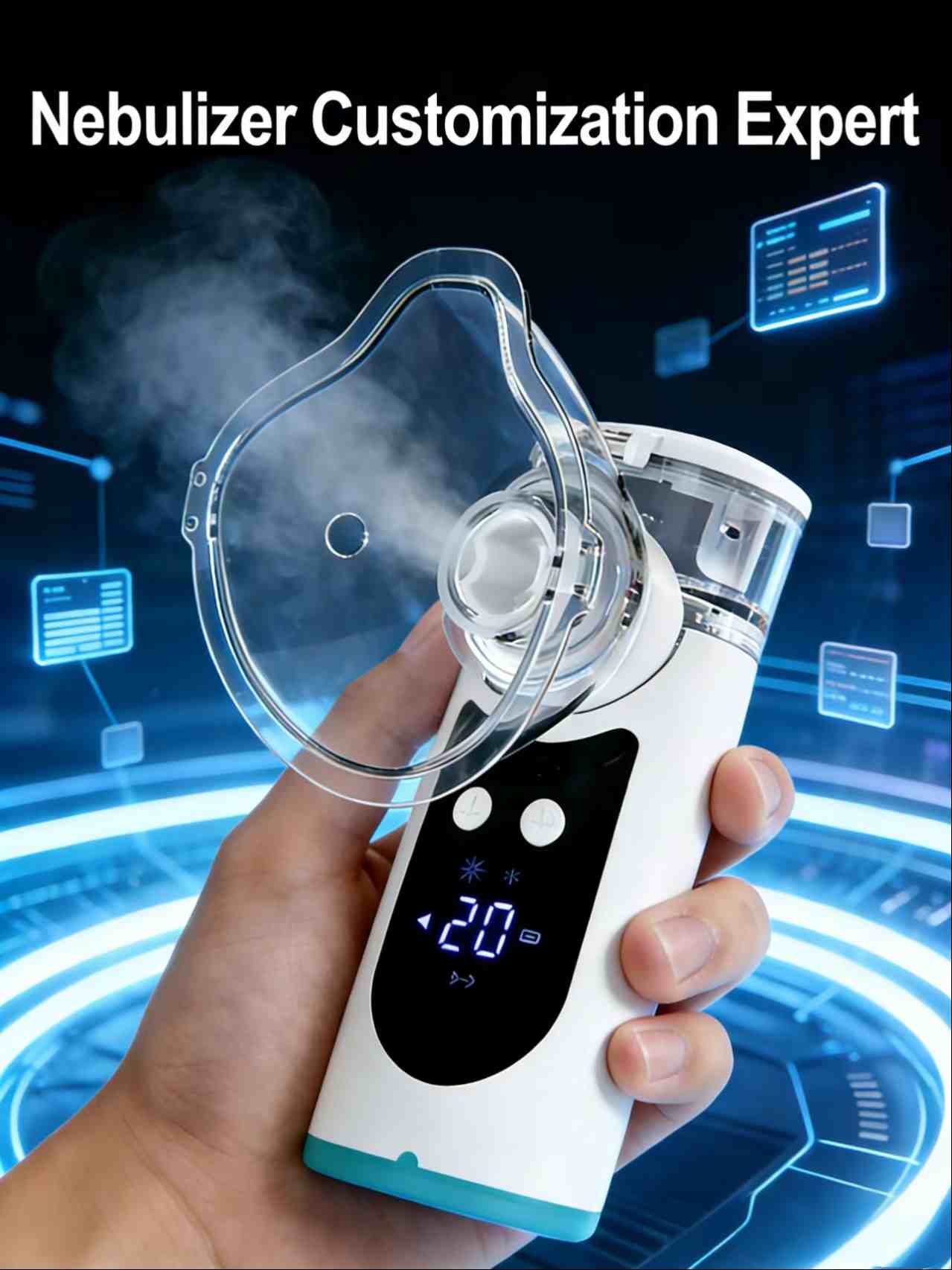
The demand for portable mesh nebulizers continues to grow in Europe, the Middle East, and South America. Compact size, low noise, and convenient operation make the mesh nebulizer an attractive alternative to traditional compressor models.
However, many distributors and private label brands experience recurring quality problems after importing OEM mesh nebulizers. These issues often lead to customer complaints, warranty pressure, and brand reputation damage.
Understanding common mesh nebulizer problems — and knowing how to prevent them — is essential before selecting a long-term mesh nebulizer manufacturer.
1. Inconsistent Atomization Performance
One of the most reported mesh nebulizer problems in overseas markets is unstable atomization.
Typical complaints include:
Weak mist output
Intermittent nebulization
Large droplets instead of fine particles
In most cases, unstable performance results from:
Low-quality mesh plates
Poor electrode alignment
Insufficient pre-shipment testing
A professional OEM mesh nebulizer manufacturer should conduct:
Particle size testing
Continuous operation testing
Output consistency verification
At Shenzhen Nile Biotechnology Co., Ltd., we continuously optimize electrode structure and PCB stability based on real market feedback to ensure consistent mist performance across bulk production batches.
Stable atomization is not just a technical parameter — it directly influences patient confidence and repeat purchase rates.
2. Liquid Leakage During Transportation
Leakage during sea shipment is another major concern when sourcing OEM mesh nebulizers.
Common causes include:
Weak sealing structure
Low-grade silicone rings
Poor drug cup connection design
For international distributors, transport durability is critical. A mesh nebulizer may pass basic functional testing but still fail under shipping vibration and pressure conditions.
A reliable mesh nebulizer manufacturer should provide:
Sealing performance verification
Drop testing reports
Simulated vibration testing
Secure export packaging design
At Nile Bio-technology, structural sealing is tested before mass production approval to minimize after-sales risk in long-distance shipments.
3. Short Lifespan of the Mesh Plate
Another frequent issue with low-cost mesh nebulizers is limited product lifespan.
Some OEM mesh nebulizers stop functioning properly after short-term use due to:
Inferior stainless steel mesh material
Unstable voltage control
Inadequate circuit protection
High-quality portable mesh nebulizer manufacturers typically:
Use medical-grade mesh components
Optimize PCB power management
Conduct lifespan simulation testing
When evaluating a mesh nebulizer supplier, always request lifespan data instead of focusing only on unit price.
Longer durability reduces return rates and protects distributor margins.
4. Certification & Compliance Risks in Export Markets
For Europe, the Middle East, and South America, regulatory compliance is non-negotiable.
Common compliance risks when sourcing OEM mesh nebulizers include:
Incorrect CE marking
Missing UDI information
Outdated Declaration of Conformity
Unclear EU Authorized Representative details
Before cooperation, verify that your mesh nebulizer manufacturer holds:
Valid CE certification
ISO 13485 approval
Updated technical documentation
Transparent regulatory support
Compliance is not only a legal requirement — it protects your shipment from customs delays and regulatory penalties.
5. How to Choose a Reliable OEM Mesh Nebulizer Manufacturer
When selecting an OEM mesh nebulizer manufacturer, evaluate more than price.
Key factors include:
Atomization stability across batches
Structural sealing reliability
Lifespan testing documentation
Regulatory compliance support
Continuous product optimization capability
At Shenzhen Nile Biotechnology Co., Ltd., our focus is long-term cooperation rather than short-term cost competition. We continuously improve our portable mesh nebulizer design based on distributor feedback from different overseas markets.
However, many distributors and private label brands experience recurring quality problems after importing OEM mesh nebulizers. These issues often lead to customer complaints, warranty pressure, and brand reputation damage.
Understanding common mesh nebulizer problems — and knowing how to prevent them — is essential before selecting a long-term mesh nebulizer manufacturer.
1. Inconsistent Atomization Performance
One of the most reported mesh nebulizer problems in overseas markets is unstable atomization.
Typical complaints include:
Weak mist output
Intermittent nebulization
Large droplets instead of fine particles
In most cases, unstable performance results from:
Low-quality mesh plates
Poor electrode alignment
Insufficient pre-shipment testing
A professional OEM mesh nebulizer manufacturer should conduct:
Particle size testing
Continuous operation testing
Output consistency verification
At Shenzhen Nile Biotechnology Co., Ltd., we continuously optimize electrode structure and PCB stability based on real market feedback to ensure consistent mist performance across bulk production batches.
Stable atomization is not just a technical parameter — it directly influences patient confidence and repeat purchase rates.
2. Liquid Leakage During Transportation
Leakage during sea shipment is another major concern when sourcing OEM mesh nebulizers.
Common causes include:
Weak sealing structure
Low-grade silicone rings
Poor drug cup connection design
For international distributors, transport durability is critical. A mesh nebulizer may pass basic functional testing but still fail under shipping vibration and pressure conditions.
A reliable mesh nebulizer manufacturer should provide:
Sealing performance verification
Drop testing reports
Simulated vibration testing
Secure export packaging design
At Nile Bio-technology, structural sealing is tested before mass production approval to minimize after-sales risk in long-distance shipments.
3. Short Lifespan of the Mesh Plate
Another frequent issue with low-cost mesh nebulizers is limited product lifespan.
Some OEM mesh nebulizers stop functioning properly after short-term use due to:
Inferior stainless steel mesh material
Unstable voltage control
Inadequate circuit protection
High-quality portable mesh nebulizer manufacturers typically:
Use medical-grade mesh components
Optimize PCB power management
Conduct lifespan simulation testing
When evaluating a mesh nebulizer supplier, always request lifespan data instead of focusing only on unit price.
Longer durability reduces return rates and protects distributor margins.
4. Certification & Compliance Risks in Export Markets
For Europe, the Middle East, and South America, regulatory compliance is non-negotiable.
Common compliance risks when sourcing OEM mesh nebulizers include:
Incorrect CE marking
Missing UDI information
Outdated Declaration of Conformity
Unclear EU Authorized Representative details
Before cooperation, verify that your mesh nebulizer manufacturer holds:
Valid CE certification
ISO 13485 approval
Updated technical documentation
Transparent regulatory support
Compliance is not only a legal requirement — it protects your shipment from customs delays and regulatory penalties.
5. How to Choose a Reliable OEM Mesh Nebulizer Manufacturer
When selecting an OEM mesh nebulizer manufacturer, evaluate more than price.
Key factors include:
Atomization stability across batches
Structural sealing reliability
Lifespan testing documentation
Regulatory compliance support
Continuous product optimization capability
At Shenzhen Nile Biotechnology Co., Ltd., our focus is long-term cooperation rather than short-term cost competition. We continuously improve our portable mesh nebulizer design based on distributor feedback from different overseas markets.
New in Respiratory Care: Mesh Nebulizers Are Taking the Lead
How to Choose a Reliable OEM Mesh Nebulizer Manufacturer for Europe, the Middle East, and South America

